
Endometriosis in Clinical Practice: Two Courses Every Pelvic Health Clinician Should Know About
By: Embodia Team ∙ Estimated reading time: 5 minutes
By: Embodia Team ∙ Estimated reading time: 5 minutes
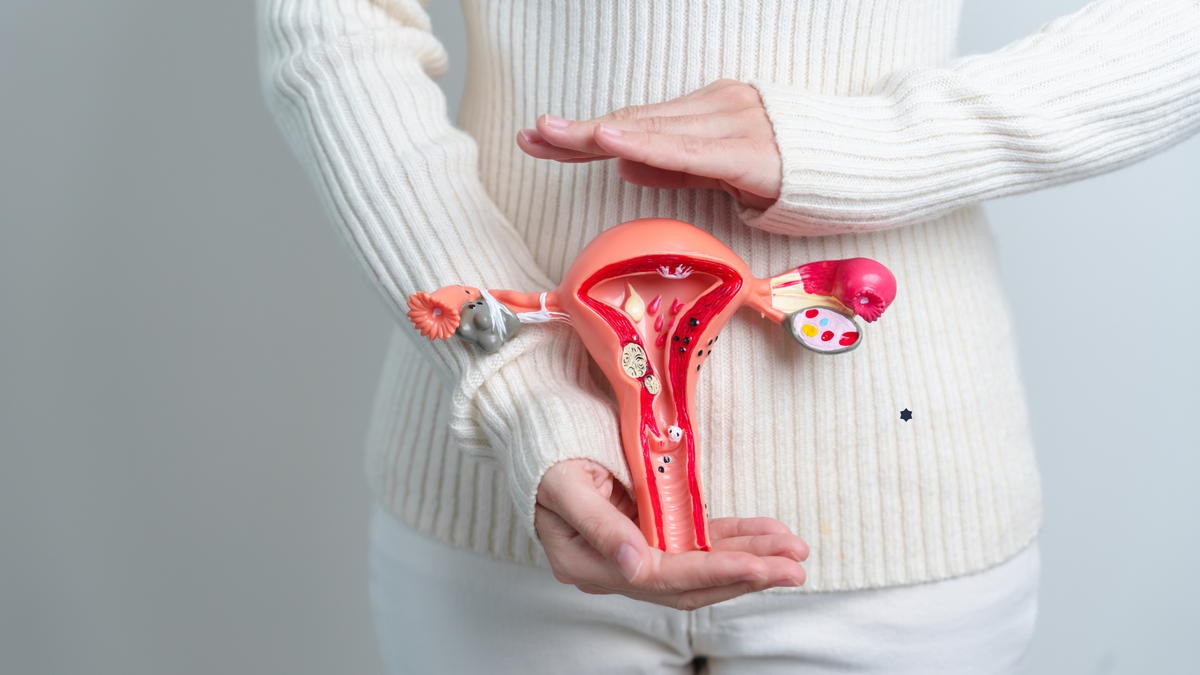
Understanding Endometriosis
Endometriosis affects approximately 10% of people born with a uterus — around 200 million people worldwide. Despite its prevalence, it remains one of the most underdiagnosed and undertreated conditions in clinical practice, with an average diagnostic delay of several years in many countries.
For physiotherapists and pelvic clinicians, this matters. A significant proportion of patients presenting with persistent pelvic pain, low back pain, bladder symptoms, or bowel dysfunction will have endometriosis — diagnosed or not. Knowing how to screen for it, understand its complexity, and treat it from a biopsychosocial framework is no longer optional. It is a core clinical competency.
Embodia is pleased to offer two courses by Jill Mueller, Pelvic Health Physiotherapist and founder of EndoTogether, that address exactly this gap.
Course 1: The 10% Club — Endometriosis Matters in Low Back Pain
Low back pain and endometriosis are more connected than many clinicians realize. The most common symptoms of endometriosis — painful periods, pain with intercourse, and low back pain that worsens during menstruation — overlap significantly with presentations that are routinely attributed to musculoskeletal causes. As a result, many people with endometriosis spend years in physiotherapy or medical care without their underlying condition being identified.
This course is designed to change that.
In The 10% Club, Jill Mueller walks clinicians through how to screen for endometriosis in patients presenting with low back pain, and how to address these patients using a biopsychosocial approach. The course covers the connection between LBP and endometriosis, an overview of how to assess the dominant source of pain, and practical treatment strategies including pain reprocessing, somato-cognitive therapy, and the biopsychosocial framework.
This course is particularly relevant for any physiotherapist or pelvic OT who treats persistent low back pain and wants to ensure they are not missing endometriosis as a contributing factor.
The 10% Club: Endometriosis Matters in Low Back Pain — Free for Members ($20 for non-members)

"I really enjoyed how Jill presented the research and then explained how it is applicable to practice. Her
and Carolyn are both extremely knowledgeable and it was helpful to get an idea of how to better
approach Endometriosis and LBP from a biopsychosocial framework."
Course Participant, Aug 2025

Course 2: An Update on Endometriosis from the World Congress in Edinburgh
The 15th World Endometriosis Congress brought together global leaders in endometriosis research and care, including Professor Lorimer Moseley, Dr. Mathew Leonardi, Dr. Daniel Clauw, and Dr. Catherine Allaire. This course, co-presented by Jill Mueller and Carolyn Vandyken of Reframe Rehab, distills the key clinical takeaways from that congress into a practical one-hour update for rehabilitation clinicians.
Topics covered include:
- Why not everyone with endometriosis experiences pain, and what that means clinically
- The pros, cons, and limitations of ultrasound, MRI, and surgery for diagnosis and treatment
- The role of nociplastic pain and pain system hypersensitivity in endometriosis
- Endometriosis phenotypes and how they direct treatment
- Non-pharmacological and non-surgical treatment approaches
- The growing role of digital health tools in endometriosis screening and management
- Why the World Endometriosis Organization now recommends earlier involvement of physiotherapists, psychotherapists, and dietitians in care
This course is well suited for clinicians who want a current, evidence-based overview of endometriosis and its management, and who want to situate their clinical role within the broader interdisciplinary picture.
An Update on Endometriosis from the World Congress in Edinburgh — Free for Members ($20 for non-members)
"Excellent review and update. Information applicable to daily practice. Encouraged me to take some of the
biopsychosocial pain courses." Course Participant, Sept 2024
Who Is Jill Mueller?
Jill Mueller is a pelvic health physiotherapist with 20 years of clinical experience in pelvic health, orthopaedics, and visceral therapy. She is the founder of EndoTogether, a platform dedicated to supporting people living with endometriosis, and brings both clinical expertise and a deeply patient-centred approach to her teaching.
Jill integrates an evidence-based biopsychosocial model into her practice and is passionate about equipping rehabilitation clinicians with the tools to better serve this underserved population.
Supporting Your Patients Beyond the Clinic
Clinical education is only part of what Embodia offers for endometriosis care. Alongside these courses, Embodia's growing patient education library includes plain-text handouts on endometriosis and a wide range of pelvic health topics — written in clear, accessible language that patients can read and reference between sessions.
This library includes resources from Carolyn Vandyken of Reframe Rehab covering persistent pelvic pain, bladder health, pelvic floor therapy, pain science, and lifestyle-based approaches to nervous system regulation, as well as condition-specific handouts on topics including bladder leakage, pelvic organ prolapse, and persistent pelvic pain.
Clinicians on Embodia can share patient education directly through the HEP platform alongside exercise programs — making it straightforward to extend the clinical conversation into the patient's home, reinforce key concepts between visits, and support better outcomes.
The Bottom Line
Endometriosis is common, complex, and frequently missed. The rehabilitation clinician's role in identifying, assessing, and treating it — particularly in the context of persistent pelvic pain and low back pain — is well supported by current evidence and increasingly recognized by the global endometriosis community.
These two courses offer a practical, evidence-based entry point into that work, whether you are new to endometriosis or looking to update your clinical knowledge with the latest research.
Both courses are available now on Embodia, free for members and include a certificate of completion.
Frequently Asked Questions
Do I need to be a member to take these courses?
No. Both courses are available to non-members for $20 each. If you're an Embodia member, they're included at no extra cost. Not a member yet? Learn more on our membership page here.
Are these courses suitable for practitioners who are new to pelvic health?
Yes. The 10% Club is a strong starting point for any physiotherapist treating persistent low back pain, even without a pelvic health background. The World Congress update assumes some clinical familiarity, but is accessible to anyone with a working knowledge of pain science. If you're building your pelvic health knowledge base, starting with The 10% Club is a natural first step.
Do these courses include a certificate of completion?
Yes, both courses include a certificate of completion.
Who are these courses designed for?
Primarily physiotherapists and pelvic OTs, but any rehabilitation clinician who sees patients with persistent pelvic pain, low back pain, bladder symptoms, or bowel dysfunction will find the content directly applicable. Endometriosis doesn't stay in one clinical lane — and neither does this training.
Are these courses relevant if my patient hasn't been formally diagnosed with endometriosis?
Yes, that's actually one of the central points of both courses. Given the average diagnostic delay of several years, many patients presenting with persistent pelvic or low back pain will have undiagnosed endometriosis. These courses teach you how to screen for it and treat appropriately even before a formal diagnosis is in place.
Can I use these courses alongside patient education resources?
Yes. Embodia's patient education library includes handouts on endometriosis and related pelvic health topics that you can share directly through the HEP platform. That means you can pair course learning with practical tools you're using in clinic the same day.
BKin, BHScPT (Pelvic Health)
Jill has been a physiotherapist since 2001, but her passion for pelvic health was born from personal experience. After years of struggling with period pain and fertility challenges due to Endometriosis, she shifted her focus to understanding and addressing the complexities of this condition. Through deep dives into pain science and Endometriosis research, Jill recognized a significant gap in education and practical support for those living with “endo.” Whether working one-on-one, leading group programs, or speaking internationally, she is dedicated to empowering people with pelvic health conditions and equipping healthcare practitioners with the knowledge needed to provide better care.
Jill is also a founding member and lead physiotherapist of Endometriosis360, an innovative interdisciplinary virtual group program designed to help individuals with Endometriosis. Together, psychology, dietitian, and physiotherapy integrate a biopsychosocial approach and evidence-based strategies to help improve people’s quality of life.